


Menu
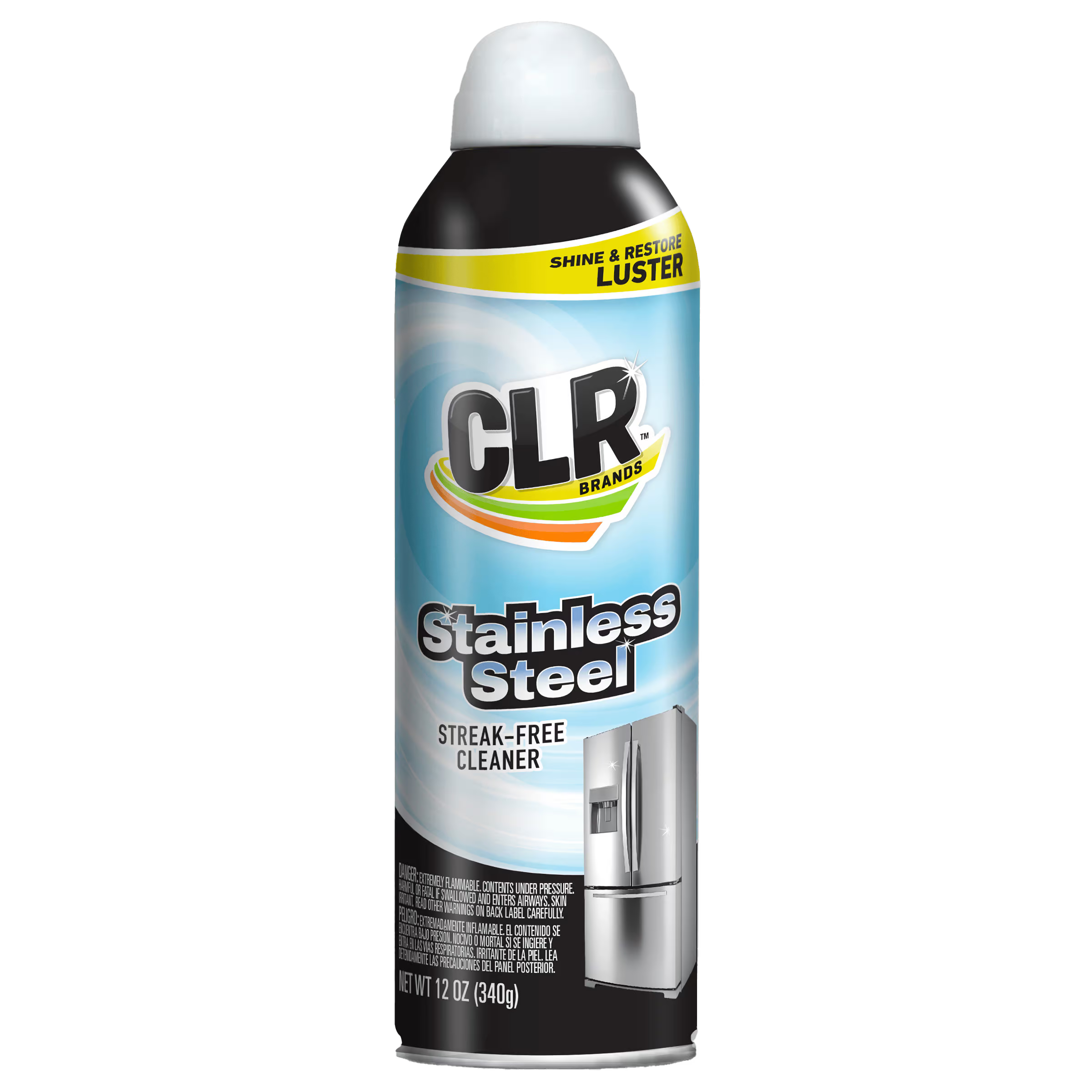

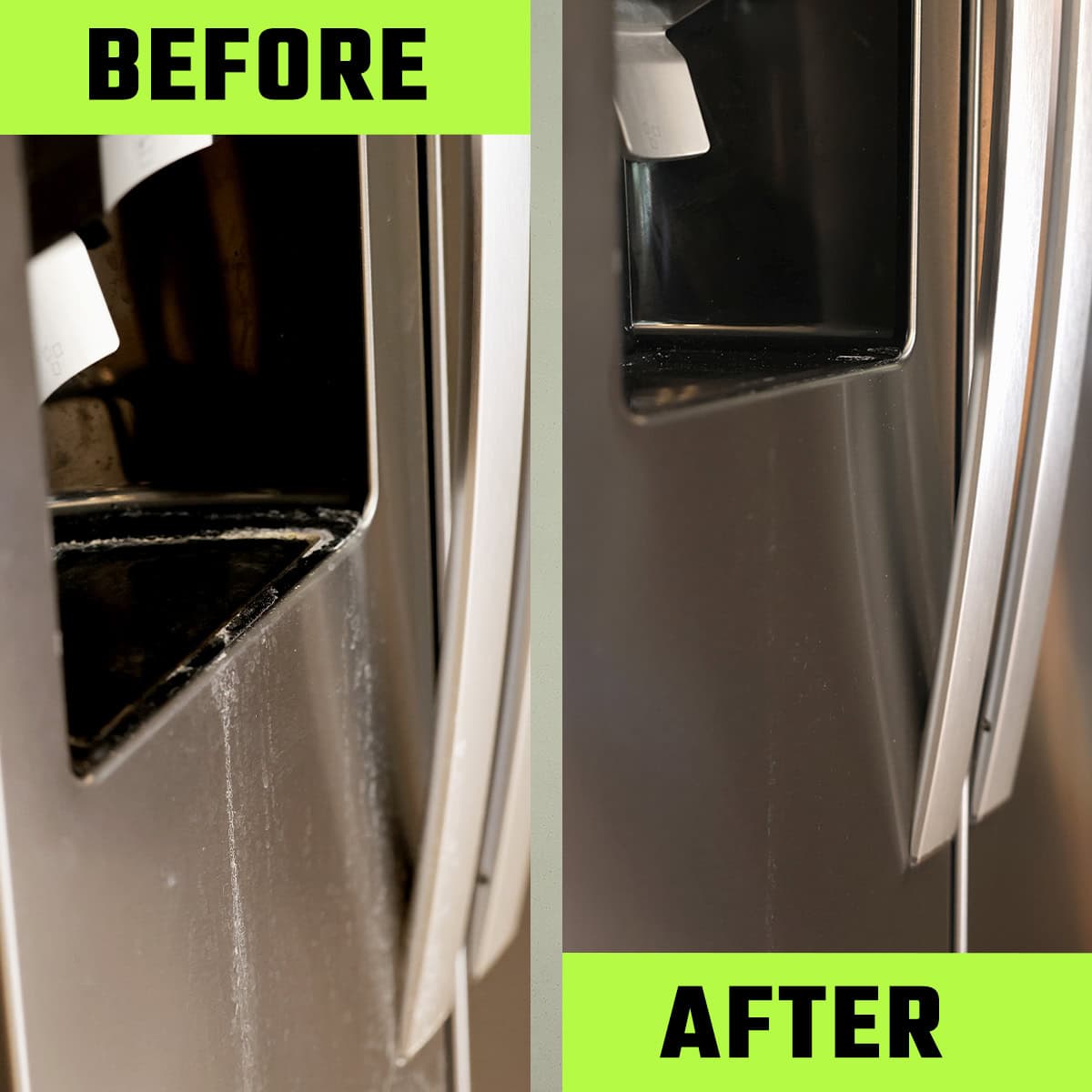


Easy-to-use, one-step stainless steel cleaner.
Stainless Steel Appliance Exteriors
Solvent: CAS #7732-18-5. Water is an effective solvent for dissolving dirt and grime due to attracting and lifting water-soluble substances.
Solvent: CAS #64742-47-8. Serves as an effective solvent in cleaning products for removing oils and greases.
Film Former: CAS #8042-47-5. This is various light hydrocarbons distilled from petroleum. It reduces friction, preventing sticking, and creating a protective barrier to repel moisture and grime. Mineral oil can be used to clean heavier oil stains by diluting and liquefying the other oils. It can be used as a cleaner and solvent for inks in fine art printmaking as well as in oil painting. As part of the EPA Safer Choice Program, it has been evaluated and determined to be safer than traditional chemical ingredients.
California CPRKA Designated Lists
(2) EU CMRs.
(10) ATSDR Neurotoxicants.
(13) US EPA PBTs.
(19) CA Priority Pollutants.
(22) Marine Priority Action Chemicals.
Propellant: CAS #74-98-6. A compound of hydrogen and carbon, which is a component of natural gas. Commonly used as a propellant in aerosol dispensers to impart motion to another substance.
Lubricant: Withheld. One of several types of silicone oil. It is generally inert and non-flammable.
Propellant: CAS #106-97-8. A compound of hydrogen and carbon, which is a component of natural gas. Commonly used as a propellant in aerosol dispensers to impart motion to another substance.
Surfactant: CAS #1338-43-8. Nonionic surfactant used as an emulsifier and dispersant in cleaning products, waxes and polishes.
Preservative: CAS #532-32-1. Used as a preservative to inhibit the growth of bacteria, yeast, and mold, extending the product’s shelf life and effectiveness.
Fragrance Component: Mixture. A more environmentally responsible proprietary fragrance made in accordance with current natural and organic global regulations. See https://ifrafragrance.org/ to learn more.


A cleaner formulated specifically for stainless steel is a better option than a general-purpose one. Most stainless steel cleaners are oil-based, which attracts dust and causes smudges to return faster. The CLR Stainless Steel cleaner is water-based, so it leaves no oily residue after wiping. For a full maintenance guide, see How to Clean Stainless Steel.
Always wipe in the direction of the grain, against it, streaks are harder to remove and more visible once the surface dries. Spray lightly and wipe with a clean, soft cloth; too much product is a common cause of streaking. Avoid paper towels, which can scratch the finish over time. For stainless steel dishwasher exteriors specifically, the How to Clean a Dishwasher guide covers the exterior alongside the interior cleaning routine.
Start by cleaning the surface thoroughly to remove grease, fingerprints, and residue, buildup is what makes stainless steel look dull and uneven. Polishing over grime or mineral staining won't restore the shine; the surface needs to be clean first. For surfaces that have seen heavy use, the spring cleaning guide covers stainless steel appliances as part of a full kitchen reset.
Yes, it works on stainless steel grill exteriors. It should not be used on cooking grates or interior surfaces that come into direct contact with food, the CLR BBQ Grill Cleaner is formulated for those. Always make sure the grill is off and fully cool before applying any cleaner to the exterior.
Avoid abrasive scrubbers, steel wool, and cleaners containing bleach or harsh acids, these can scratch the surface or weaken the protective layer, making the finish more prone to rust. Acidic liquids like vinegar or citrus juice can etch the surface if left to sit, so spills should be wiped up promptly. For existing hard water deposits or mineral buildup, CLR Calcium, Lime & Rust Remover handles those separately, diluted in a 50/50 solution with water.
Show More FAQs