Back to How-to
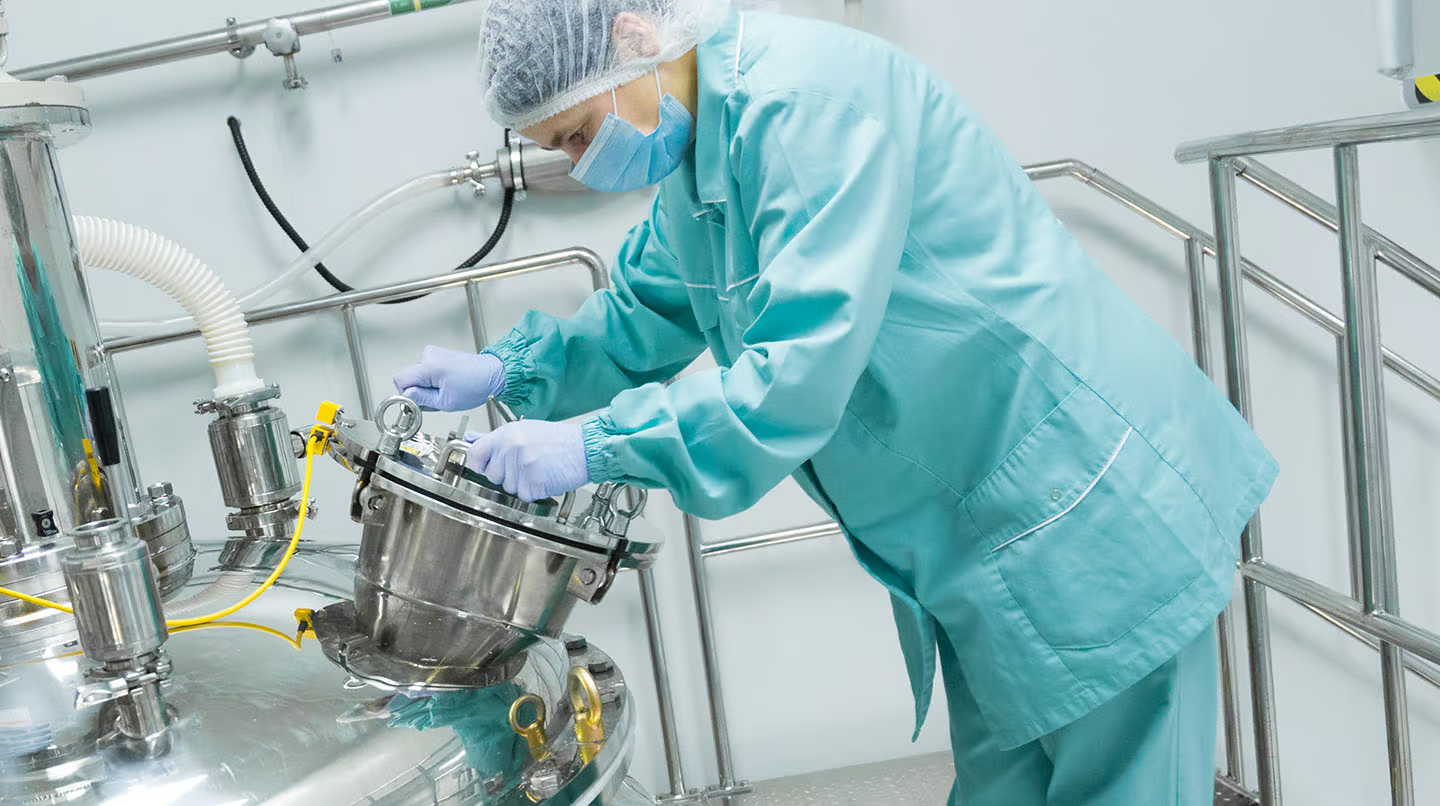
Stainless steel earns its place in food-grade and commercial environments because of one thing happening at a microscopic level: a thin, invisible layer of chromium oxide that forms on its surface and acts as a barrier against rust and corrosion. It's why stainless steel resists staining better than almost any other material. But “stainless” doesn’t mean stain-free, and that protective layer isn’t indestructible.
That chromium oxide layer can be compromised by more than time. Harsh chemicals break it down. Chlorides, found in salt and some cleaning products, attack it directly. Scratches that penetrate the surface create openings. And moisture left sitting on the surface without being dried off prevents the layer from doing its job.
Once that barrier is compromised, stainless steel becomes vulnerable to the very things it's supposed to resist: discoloration, water spots, and eventually rust.
In food-grade and commercial settings, keeping stainless steel clean isn’t just about how it looks. Fingerprints and oils are highly visible on stainless surfaces, and water spots can etch into the surface over time if left unaddressed. In food service applications, leftover residue can harbor bacteria. And clean equipment doesn’t just look better. It operates more efficiently and lasts longer, since regular cleaning prevents the pitting corrosion that drives up replacement costs.
Stainless steel cleaners generally fall into two categories: water-based and oil-based. Oil-based cleaners can cut through tough grease and restore shine, but they carry tradeoffs. Higher VOC content, potential flammability, and in many cases, they’re not suitable for food-contact surfaces. They can also leave behind residue that attracts dust and dirt if not applied carefully.
Water-based cleaners are formulated differently. They're generally safer for food-contact surfaces, rinse away completely, and don’t carry the same flammability or
VOC concerns. For environments where surfaces are in or near food prep, that distinction matters.
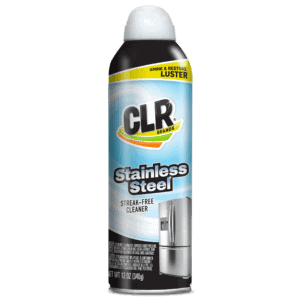
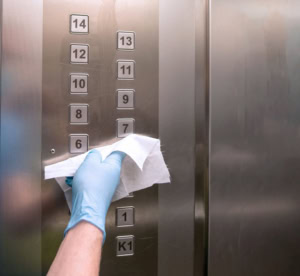
CLR Brands Stainless Steel Cleaner is a one-step, water-based foaming cleaner built specifically for this job. It removes dirt, residue, and fingerprints from stainless steel surfaces, including appliances, elevators, and workstations, leaving a clean, streak-free shine with no residue behind. It comes in a convenient aerosol spray: apply to the surface, wipe with a soft cloth, and the surface is left bright, clean, and protected. It's NSF registered, meaning it's safe to use in and around foodservice applications.
Keeping that protective layer intact comes down to a few consistent habits. Use this as a quick reference for your team:
Stainless steel earns its reputation in commercial and food-grade environments because of what's happening beneath the surface. Protecting that surface with the right cleaner, and the right habits, is what keeps stainless steel performing the way it's meant to, for the long run.