


Menu
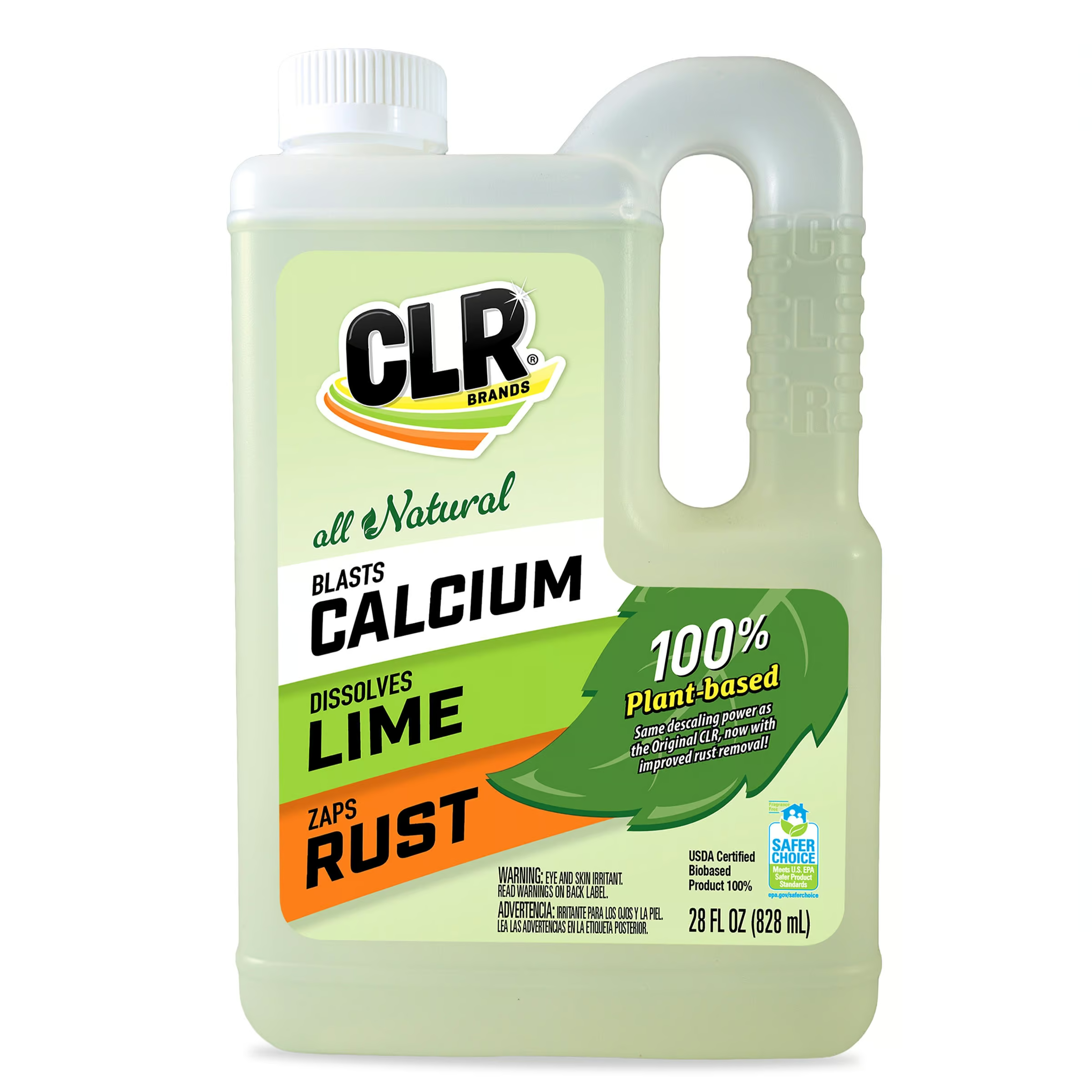
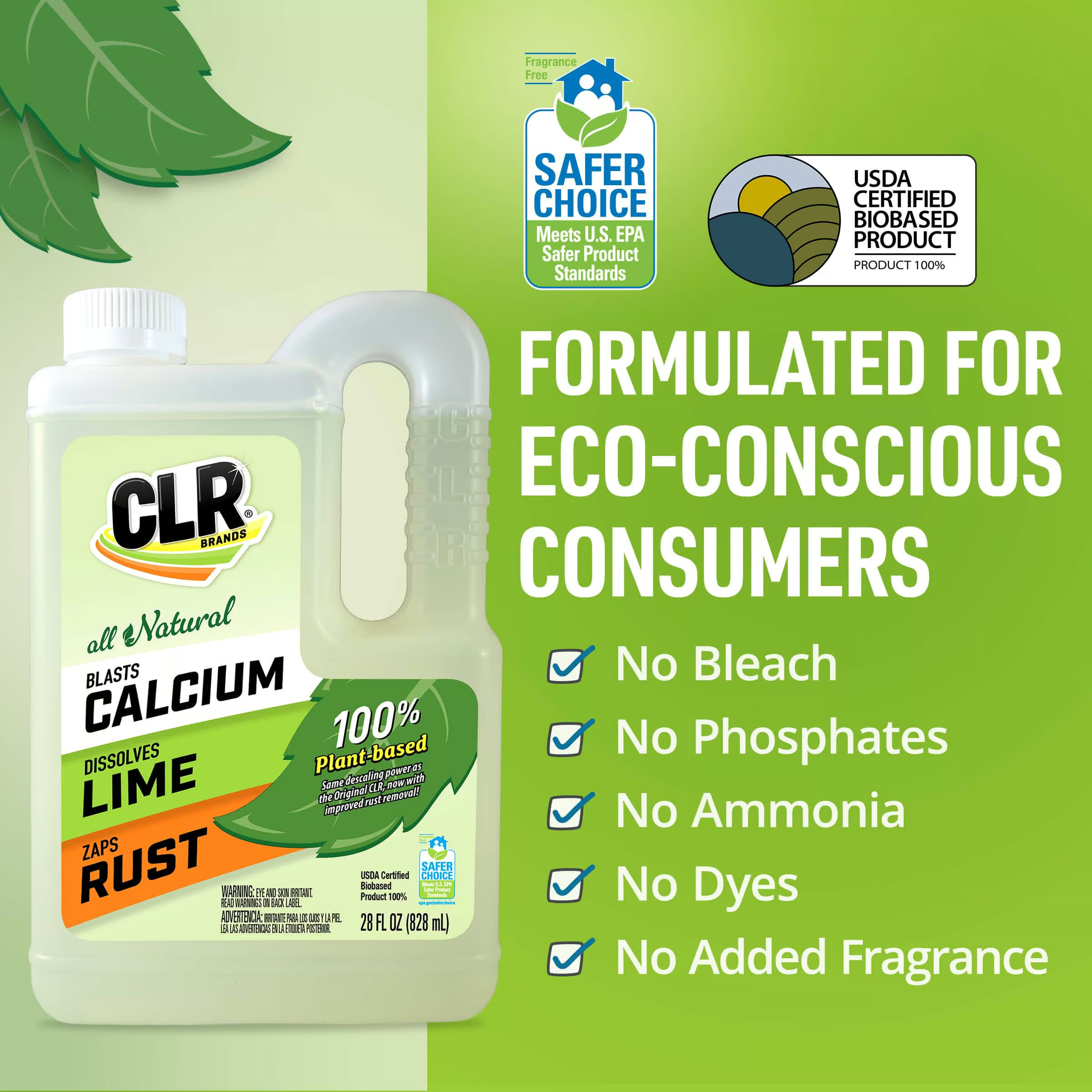
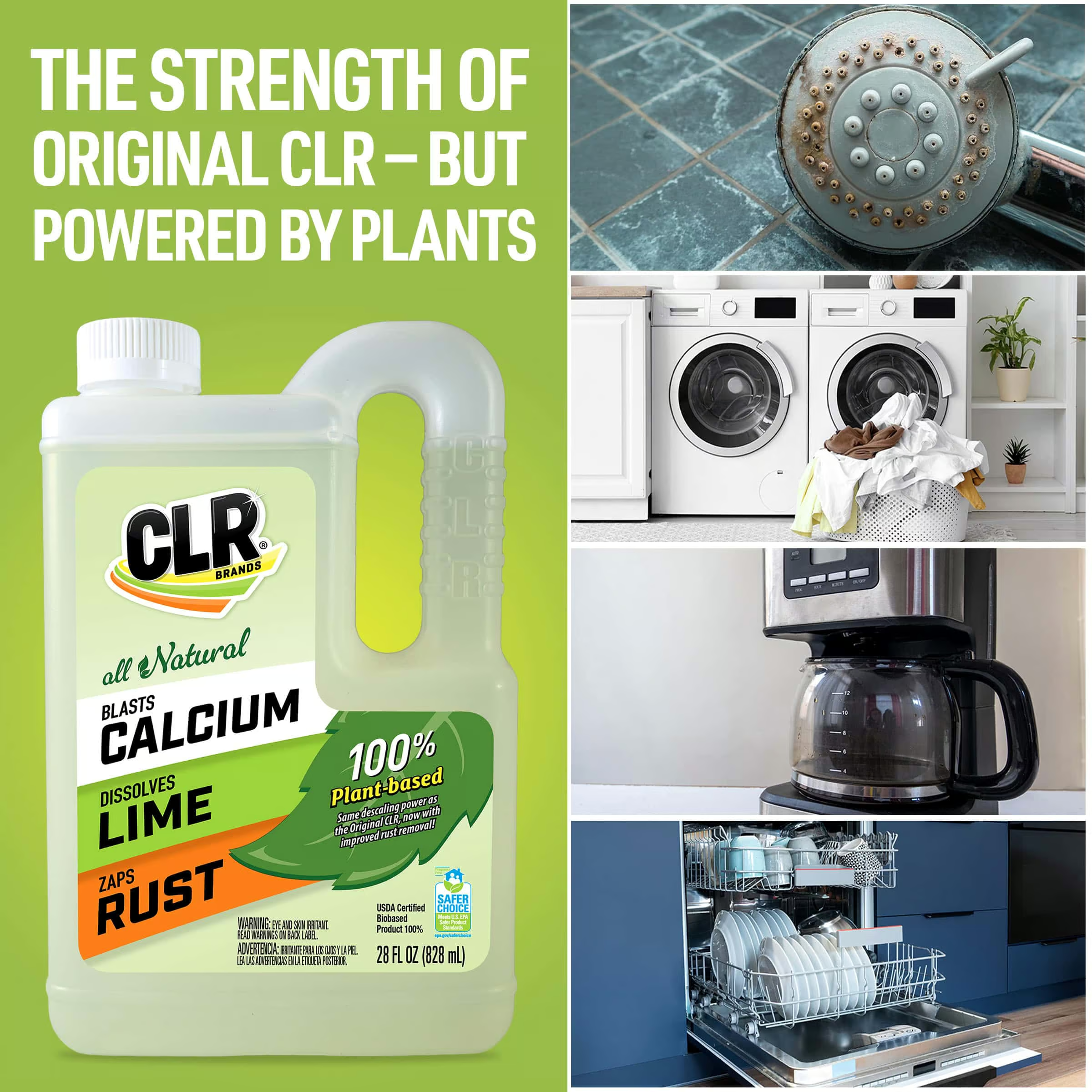
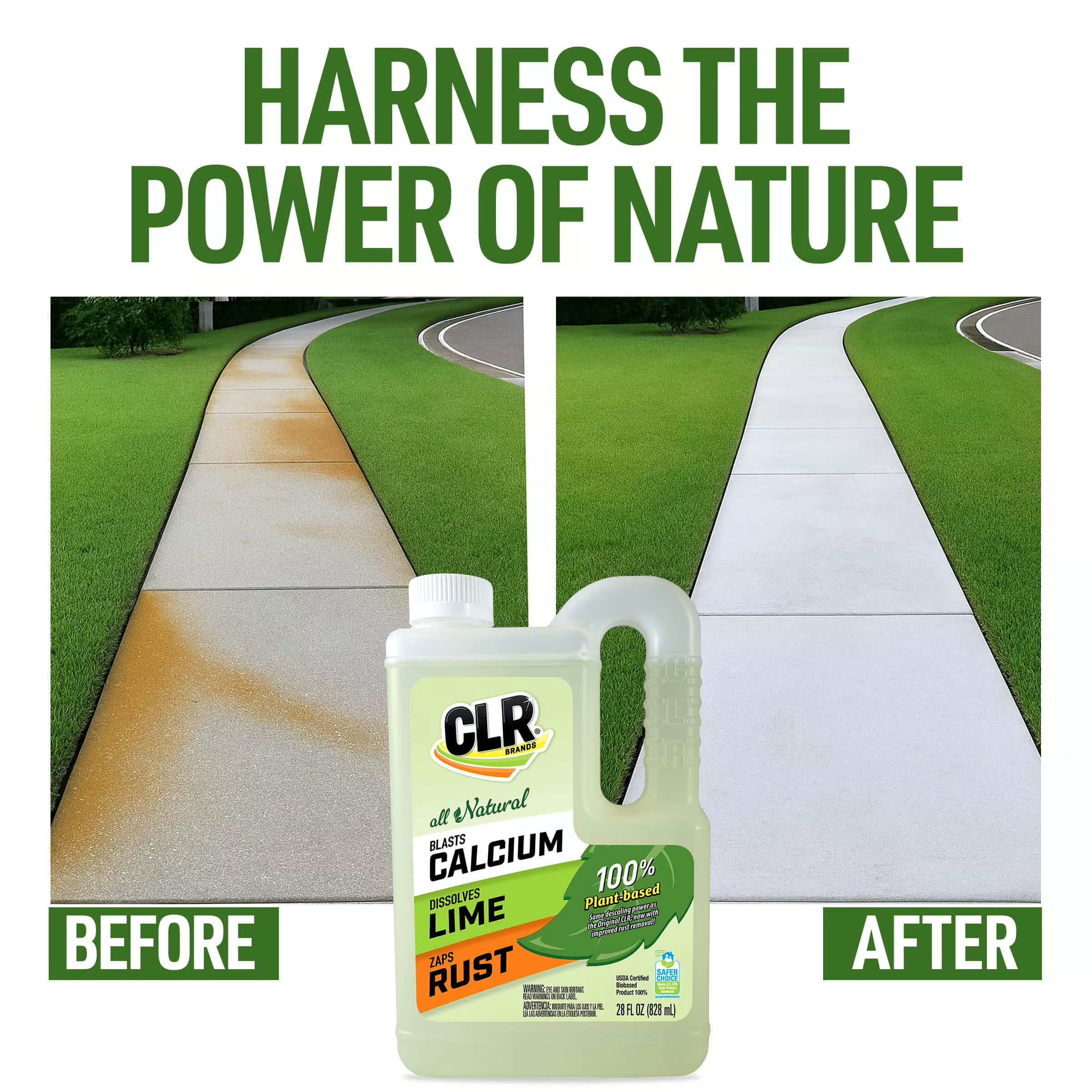

This advanced formula is certified by the EPA's Safer Choice Program as a safer alternative to traditional chemicals. It is bleach-free, phosphate-free, and ammonia-free. Effective, safer, and engineered for eco-conscious consumers and sustainability-driven retailers.
Overview
Ingredients
Instructions
This advanced formula is certified by the EPA's Safer Choice Program as a safer alternative to traditional chemicals. It is bleach-free, phosphate-free, and ammonia-free. Effective, safer, and engineered for eco-conscious consumers and sustainability-driven retailers.
Aluminium
Asphalt
Blacktop
Brick
Cement
Concrete
Copper
Corian
Fiberglass
Glass
Glass Stove Tops
Grout
Hardwood
Laminate
Porcelain
Rubber
Stainless Steel Appliance Exteriors
Stucco
Terrazzo
Wrought Iron
Diluent: CAS #7732-18-5. Reverse Osmosis (RO) is a water treatment process that removes contaminants from water by passing the water through a membrane, (filter), where contaminants are filtered out yielding more pure quality water.
Chelating Agent: CAS #79-33-4. Lactic acid is found in many yogurts and cheeses. It is also produced in the muscles during intense activity. Commercially, it is produced by fermentation of simple sugars. In cleaning products it functions as a chelating agent; a compound that makes metals more soluble in water. As part of the EPA Safer Choice Program, it has been evaluated and determined to be safer than traditional chemical ingredients.
Chelating Agent (CAS# Withheld)
Chelating Agent: CAS #526-95-4. This ingredient is an acid formed from the sugar glucose, which naturally occurs in fruit, honey and wine. It is a chelating agent; a compound that makes metals more soluble in water. As part of the EPA Safer Choice Program, it has been evaluated and determined to be safer than traditional chemical ingredients.
Glycerin can be found naturally in plants from fermenting plant sugars. However, most glycerin is manufactured using a process called hydrolysis. During hydrolysis, glycerin is extracted from broken-down vegetable oils and animal fats using water or chemicals. Glycerin can also be created synthetically using petroleum.