


Menu
Back to Cleaning Tips
Ick, grime, crusty gunk, filth. What do you call the mysterious messes you find around the house? Sometimes they sneak up on you—rust stains in the toilet, cloudy spots on the shower door or stubborn buildup in the dishwasher. But before you tackle them, it helps to know what caused them in the first place.
Let’s look at some of the most common culprits and how to clear them away.
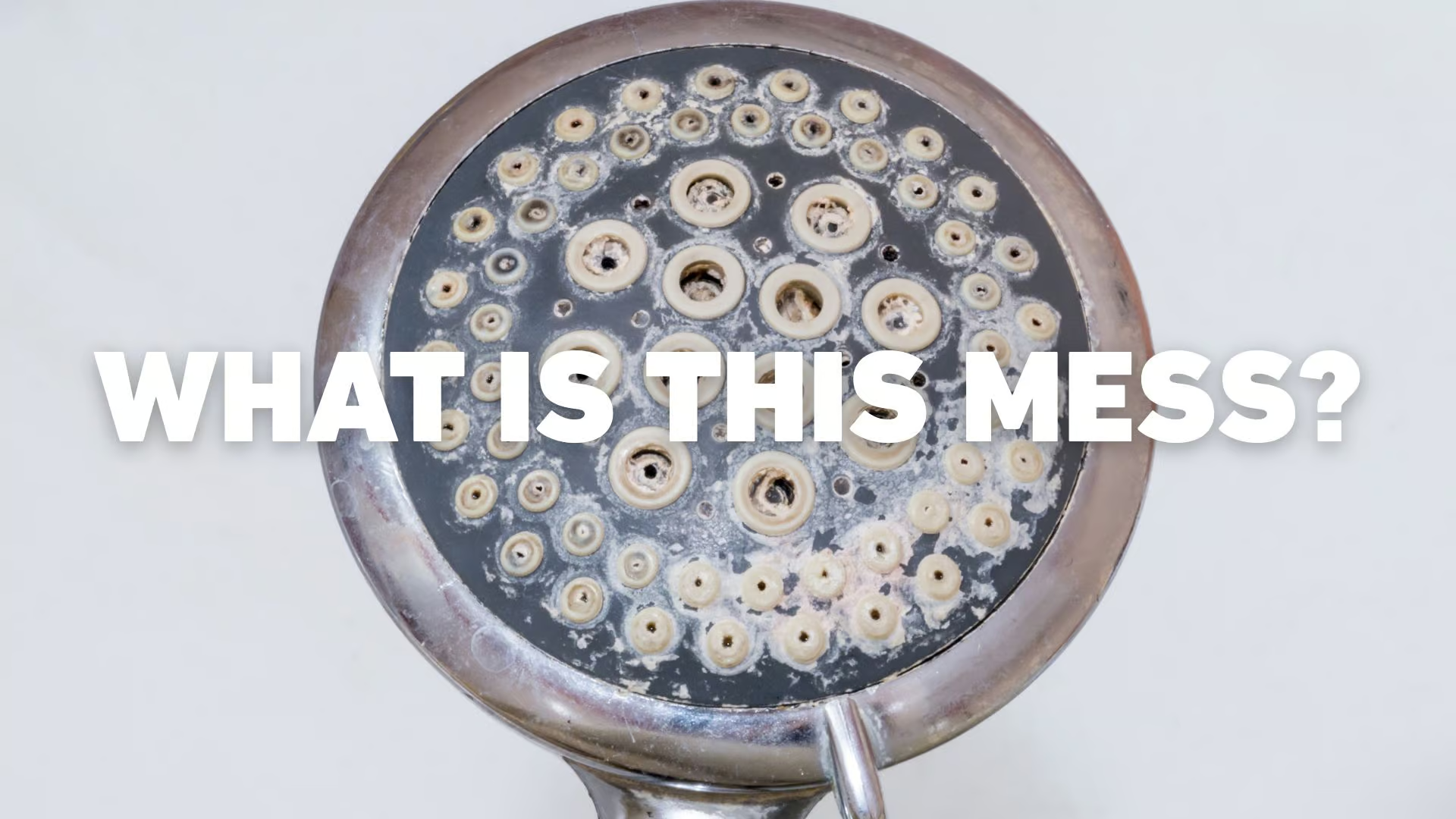
Calcium and lime deposits, aka hard water stains, appear on showerheads, faucets, tubs and shower surfaces when mineral-rich water, or hard water, evaporates, leaving behind deposits of calcium and magnesium. This crusty gunk clogs the showerhead, blocks the flow of water and leaves surfaces looking dirty.
Fix it: Submerge the showerhead or faucet in a 50/50 mix of CLR Calcium, Lime & Rust Remover and water for a couple of minutes, then rinse. For heavy buildup, scrub gently before rinsing. On vertical surfaces like shower doors, use CLR Calcium, Lime & Rust Remover Spray, and wipe away after a short soak.
Those reddish-brown rings and streaks usually come from water that’s high in iron. When iron reacts with moisture and oxygen, it forms rust, which clings to porcelain surfaces—even in toilets you’ve just scrubbed. Bleach often makes the stains worse because it doesn’t only fail to dissolve the rust, it can actually set it in deeper.
Fix it: CLR Calcium, Lime & Rust Remover has been used for decades to cut through rust without bleach or phosphates, and it has earned the EPA’s Safer Choice certification so you can rest easy knowing it's safer for people, pets and the planet.
Soap scum is the cloudy film that builds up where hard water deposits, soap and body oils mix—most often on shower doors, tile and tubs—and leaves surfaces looking and feeling dirty.
Fix it: Soap scum is no match for Safer Choice-certified CLR Brilliant Bath. Just spray, wait two minutes, wipe away and rinse with water for brilliant results. To keep glass looking fresh, use a squeegee after each shower and consider a light coat of lemon oil to repel future buildup.
People often use the terms interchangeably, but mold and mildew are not the same. Mildew usually appears as a thin, powdery layer on surfaces. It’s most often white, gray or yellow and tends to stay flat. You’ll often see it on damp walls, windowsills or fabrics. Mold is typically darker, ranging from black to green or even orange, and appears fuzzy or slimy. It grows in irregular spots and can penetrate deeper into surfaces, making it more destructive and harder to remove.
Mold and mildew spores can spread through windows, doors and ventilation systems, and they thrive in warm, moist places like bathrooms. It’s important to clean mold and mildew as soon as possible from shower surfaces because the spores can become airborne and inhaled while showering.
Fix it: CLR Mold & Mildew is Safer Choice certified and makes cleanup easy – simply saturate the stain using the sprayer and let it sit for 10 minutes, then wipe away and rinse. Prevention is just as important. Keep air circulating, dry off damp areas promptly and avoid leaving wet fabrics or materials sitting too long.
That dark, dull layer on silver comes from oxygen in the air. Humidity and pollution speed up the process, leaving serving pieces, jewelry and flatware looking lackluster.
Fix it: First, wash delicate pieces with warm, soapy water to remove any loose debris. Then, while wearing gloves, apply Tarn-X Tarnish Remover with a cotton ball or cloth. Rinse thoroughly and dry with a soft cloth. Always spot-test before cleaning the whole piece.
Dishwashers do a lot of dirty work, and over time, mineral deposits build up inside, affecting performance and energy efficiency. Hard water is the culprit here and causes hidden calcium and limescale buildup that can significantly impact the performance and longevity of your dishwasher.
Fix it: Run an empty dishwasher with a half cup of CLR Calcium, Lime & Rust Remover poured directly into the bottom, then follow with a second cycle to rinse. Regular monthly cleaning keeps appliances working longer and dishes sparkling.
Bottom line: Messes may look mysterious, but they all have root causes—whether it’s hard water, oxidation or everyday soap and dirt. With the right know-how (and a few reliable cleaning products), you can banish them quickly and keep your home looking fresh and functioning optimally.